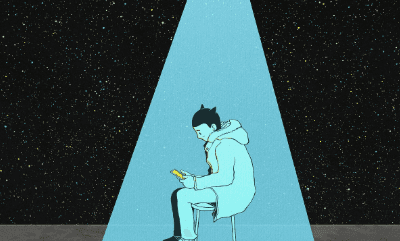
Breaking Down Isolation: Building Community and Connection for Deaf People
Loneliness affects people across all communities, but for deaf people, social isolation can be particularly challenging. Communication barriers in a predominantly hearing world can make forming and maintaining friendships genuinely difficult. At SEA, we've seen how isolation impacts the lives of deaf people we support, and we've also witnessed the transformative power of genuine connection and community belonging.
Understanding Social Isolation
Social isolation isn't just about being physically alone - it's about feeling disconnected from others, lacking meaningful relationships, and having limited opportunities for social interaction. Research consistently shows that deaf people are more likely to experience loneliness than the general population. Behind these statistics are real people who feel excluded, misunderstood, and disconnected.
Why Are Deaf People More Vulnerable?
Communication Barriers
Imagine trying to build friendships when every conversation requires extra effort. Many deaf people face this reality daily. Following group conversations, joining casual chit-chat, or participating in social gatherings can be exhausting when communication access isn't provided.
In group settings, the challenges multiply. Following conversations between multiple hearing people, especially in noisy environments, ranges from difficult to impossible. Deaf people often find themselves on the periphery of social events, watching conversations they can't fully join. Over time, many stop accepting invitations altogether.
Limited Access to Activities
Many community spaces and activities aren't designed with deaf people in mind. Exercise classes with shouted instructions, book clubs focused on discussion, quiz nights in noisy pubs - these common social activities can be largely inaccessible without appropriate adjustments.
Distance from Deaf Communities
The deaf community provides invaluable connection for many deaf people. Communication flows naturally, cultural understanding is implicit, and there's a shared experience that's deeply affirming. However, not everyone lives near active deaf communities or clubs. In rural areas, a deaf person might be the only signing person in their town.
Early Experiences
For many, isolation begins in childhood. A deaf child in mainstream education might be the only deaf student in their school, unable to fully participate in playground games or classroom discussions. These early experiences shape expectations - if you grow up feeling different and excluded, it's hard to believe genuine belonging is possible.
Family Communication Gaps
When deaf children grow up in families that don't learn to sign, full communication can be limited. Important conversations, family jokes, casual exchanges might be inaccessible. As adults, they may lack the strong family connections others rely on.
Employment Challenges
Work provides more than income - it's a major source of social connection. However, deaf people face higher unemployment rates due to communication barriers in recruitment, lack of workplace adjustments, and discrimination. This exclusion from employment also means exclusion from workplace friendships and social interactions.
The Impact of Isolation
Mental Health
Social isolation is strongly linked to depression and anxiety. For deaf people experiencing chronic isolation, the mental health impact can be severe. The situation worsens when mental health services lack BSL-using staff or interpreters, creating barriers to getting help.
Constant exclusion affects self-esteem too. When you're always on the outside, when your contributions are overlooked, when you work twice as hard just to participate - over time, this damages how you see yourself.
Physical Health
Chronic loneliness has been linked to cardiovascular disease, weakened immune systems, and increased mortality risk. Some studies suggest loneliness impacts health as severely as smoking or obesity.
Lost Opportunities
Isolation limits opportunities. Many jobs, hobbies, and services are discovered through social connections. When you're isolated, you miss these informal pathways, creating a self-perpetuating cycle.
Building Connection: What Works
The good news is that isolation isn't inevitable. With the right support, deaf people can develop rich social lives and strong community connections.
Creating Accessible Spaces
We create environments where deaf people can socialise comfortably:
Good lighting for clear signing
Seating arranged so everyone can see each other
Visual information displays
BSL-using staff present
Spaces where BSL is the norm, not the exception
We facilitate regular social groups where deaf people connect, share experiences, pursue interests, and build friendships. These aren't therapy sessions - they're simply opportunities to spend time together.
Supporting Mainstream Inclusion
We work with gyms, community centres, and volunteer organisations to help them become more accessible. Sometimes basic deaf awareness training and willingness to adjust is all that's needed.
We also provide direct support - accompanying someone to their first yoga class, helping them join a gardening club and communicate their needs.
Using Technology
Video calling enables deaf people to sign remotely, maintaining friendships across distances. Social media connects people with deaf communities even without local options. We support people to use technology confidently and safely.
Building Confidence
For those with limited social experience, we build confidence through positive experiences. Starting with one-to-one support, progressing to small groups, and eventually larger gatherings. We help develop conversation skills and navigate social situations - all in BSL.
Addressing Practical Barriers
Sometimes isolation persists due to transport issues, financial constraints, or lack of information. We help by:
Facilitating transport to activities
Supporting benefit applications
Providing information about local options
Accompanying people to new places until they're confident
The Role of Wider Society
Families
For families with deaf members, learning BSL isn't optional - it's essential for meaningful relationships. When families sign together, deaf members participate fully in family life, building bonds that provide a foundation for social confidence.
Employers
Workplaces should provide BSL interpreters, include deaf people in social aspects of work, and create cultures where communication diversity is valued.
Communities
When communities are deaf-aware, inclusion becomes natural. Shop staff knowing basic signs, leisure centres welcoming deaf members, neighbours making communication efforts - small actions add up to reduced isolation.
Policy Change
We need systems that prioritise inclusion: BSL interpreters across public services, funding for deaf community organisations, meaningful accessibility requirements, and recognition that social connection matters in health and social care.
The Power of Connection
When deaf people have opportunities for meaningful connection, when they're part of communities where they belong, when isolation is addressed - the impact is profound.
Mental health improves. Confidence grows. People pursue new opportunities, develop new skills, and live fuller lives. The difference between isolation and connection can be the difference between surviving and thriving.
At SEA, we're committed to building connection and breaking down isolation. Through our services, advocacy, and daily work, we ensure every deaf person we support has the opportunity to build meaningful relationships and feel part of a community.
Because no one should face life alone. And with the right support, no one has to.