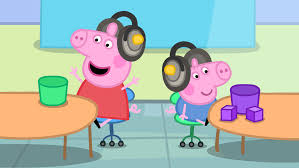
George’s Diagnosis: A Turning Point in Children’s Media
George Pig - Peppa’s younger brother, beloved for his dinosaur obsession and occasional tears - has been written into the show with a hearing loss diagnosis. This is a significant creative decision by the show’s producers, and one that deserves recognition. Representation in children’s media matters enormously. When children see characters who look like them, sound like them, or experience the world as they do, it sends a powerful message: you belong here, and your experience is valid.
For children who are deaf or hard of hearing, seeing George navigate his world with a hearing loss - and continue to be a fully present, joyful part of his family and community - is genuinely meaningful. For hearing children, it opens up a natural conversation about difference, accessibility, and kindness.
Why Awareness Starts in Early Childhood
Hearing loss affects approximately 1 in 1,000 babies born in the UK, and around 12 million people in the UK live with some degree of hearing loss. Despite this, deafness remains widely misunderstood, and deaf children can face isolation, educational barriers, and a lack of peer understanding from a very young age.
Introducing the concept of hearing loss through a familiar, trusted character like George Pig normalises it in the best possible way. Children absorb attitudes and understanding at an outstanding rate. When deafness is presented not as something frightening or ‘wrong’, but simply as part of how someone experiences the world, those attitudes carry into the playground, the classroom, and eventually the wider world.
The Role of the NDCS
The National Deaf Children’s Society (NDCS) is the leading charity in the UK supporting deaf children and young people, their families, and the professionals who work with them. Moments like George’s diagnosis are exactly the kind of mainstream visibility that the NDCS has long advocated for. Organisations like the NDCS provide essential resources for families navigating a new diagnosis, including guidance on communication, technology, education rights, and emotional support.
If George’s storyline prompts even a handful of parents to seek information or encourages a child to speak up about their own hearing difficulties, that is a direct and meaningful impact. The NDCS can be found at ndcs.org.uk - a vital first port of call for any family affected by childhood hearing loss.
What You Can Do
Use this moment as a conversation starter. Whether you are a parent, teacher, or anyone who works with children, George’s story gives you an accessible, gentle way to talk about hearing loss, difference, and inclusion. Encourage children to ask questions, explore what hearing aids or cochlear implants do, and - above all - to treat deaf peers with the same warmth and curiosity that Peppa and her friends show George.
Mainstream awareness matters. And sometimes, it starts with a small pink pig and a toy dinosaur.