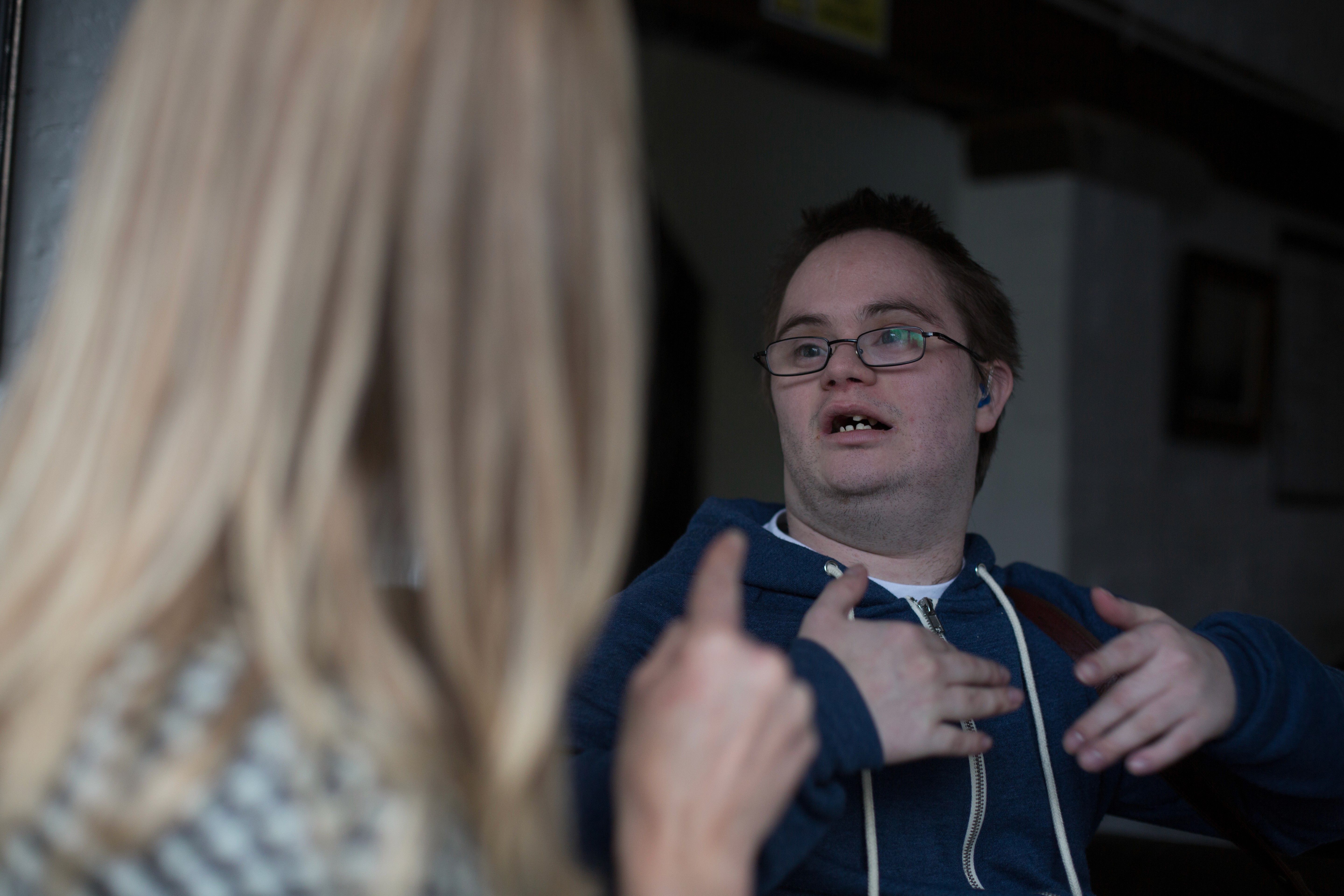
UK Sign Language Week takes place every year in March. In 2026, it runs from 16 to 22 March.
The week is organised by the British Deaf Association (BDA) and exists to raise public awareness of British Sign Language (BSL), promote the rights of the Deaf community, and encourage more people to take up BSL.
If you have never given much thought to sign language before, this is a useful opportunity to understand what it is, who uses it, and - if you are not already a BSL user - why you might consider learning.
What Is British Sign Language?
BSL is a complete, independent language. It has its own grammar and syntax, which are quite different from English. It uses handshapes, movement, facial expression, and body posture to communicate meaning. It is not a signed version of English, and it is not universal - other countries have their own sign languages, including American Sign Language (ASL) and Irish Sign Language (ISL), which are different from BSL.
BSL also has regional variation. Just as spoken English has different accents and local vocabulary, BSL has dialects that vary across different parts of the UK.
Who Uses BSL in the UK?
According to the British Deaf Association, around 151,000 people use BSL as their first or preferred language in the UK. For many Deaf people - particularly those who are profoundly Deaf or who grew up Deaf - BSL is their primary means of communication. English, for these individuals, may function more like a second language.
However, BSL is also used by hearing people: family members of Deaf individuals, friends, colleagues, interpreters, and those who have learned it out of personal or professional interest. The language belongs to the Deaf community, but its use extends into many areas of everyday life.
A Brief History of BSL's Legal Status
For much of the 20th century, BSL was actively suppressed in schools for Deaf children, who were often required to use spoken and lip-read English instead. This had a significant and long-lasting impact on Deaf education and on the Deaf community as a whole.
On 18 March 2003, the UK Government formally recognised BSL as a language in its own right - a milestone the BDA now marks each year with Sign Language Week. Recognition, however, did not immediately translate into legal rights. That came later:
The British Sign Language Act 2022 gave BSL legal recognition in England, Scotland, and Wales. It requires UK Ministers to report regularly on what they are doing to promote and facilitate the use of BSL.
The Act does not yet establish a legal right to BSL interpretation in all public services, which remains a significant gap that the Deaf community continues to campaign to address.
Work is currently underway to develop a GCSE qualification in BSL - something that would represent a major step forward in making the language accessible to young people through mainstream education.
What Are the Barriers Facing BSL Users?
Despite legislative progress, BSL users regularly encounter practical barriers in areas where hearing people face none:
Healthcare: BSL/English interpreters are not always available at GP appointments, A&E, or mental health services. Deaf patients may struggle to communicate symptoms or understand diagnoses accurately.
Employment: Workplaces often lack BSL-trained staff or the budget to fund interpretation, which can affect Deaf people's ability to participate fully in meetings, training, or workplace communications.
Public services: Government information, public announcements, and emergency communications are not consistently provided in BSL.
Education: The number of qualified BSL teachers and interpreters is limited, affecting access in schools and further education.
These are not niche issues. They affect how Deaf people access healthcare, earn a living, and participate in public life
Why Should Non-BSL Users Pay Attention?
The short answer is: because language access is a practical matter, not just a cultural one.
If you work in healthcare, education, retail, hospitality, emergency services, or any customer-facing role, there is a reasonable chance you will interact with a Deaf or hard-of-hearing person at some point. Knowing even a small amount of BSL - or simply knowing how to communicate more effectively with Deaf people - makes a difference to the quality of service and support you can provide.
For employers, commissioning BSL interpretation or offering BSL training to staff is an increasingly straightforward way to improve accessibility and meet Equality Act 2010 obligations.
How to Start Learning BSL:
You do not need to become fluent to make a difference. Learning BSL is a gradual process, and any level of competence is useful. Here is a practical overview of how to get started:
Level 1 qualifications. The most widely recognised entry point is the Level 1 Award in BSL, offered through providers such as Signature. It covers basic conversational BSL, the fingerspelling alphabet, numbers, colours, and everyday vocabulary. It is suitable for complete beginners and is available as an in-person or online course.
Online learning platforms. Platforms including BSL Zone, Spread the Sign, and the BDA's own resources provide free or low-cost introductory content. These are useful for building familiarity before committing to a qualification.
Fingerspelling. The BSL fingerspelling alphabet is one of the quickest things to learn and one of the most immediately useful. It allows you to spell out words you do not yet know the sign for. In-person classes and Deaf-led learning. Learning from Deaf tutors is widely recommended, as it gives you direct exposure to native signers and to Deaf culture. Many local Deaf clubs and community organisations offer classes or social signing events.
Workplace training. During Sign Language Week, the BDA and other organisations typically offer taster sessions and introductory workshops for teams and organisations.
What Else Is Happening During the Week?
Sign Language Week 2026 runs under the theme United in Sign. The BDA is using the week to promote its #TakingBSLForward civil rights campaign, which focuses on closing the gap between BSL's legal recognition and the lived reality of Deaf people in the UK.
Events during the week will include public awareness activities, BSL taster sessions, school visits, and social media campaigns. Full details of events and resources are available at signlanguageweek.org.uk.
Sign Language Week is a practical prompt to learn more about a language used by over 150,000 people in the UK - and to consider what steps you, your school, or your workplace could take to be more accessible to BSL users.